The Thrill of Uncertainty
One of the primary reasons people gamble is the thrill that comes from uncertainty. The unpredictability of outcomes creates a rush of excitement that can be addictive. Gamblers often find themselves drawn to the possibility of winning, which can create an emotional high. This sensation is similar to the rush experienced during other high-stakes activities, making gambling an appealing choice for thrill-seekers, especially at Vegastars Casino.
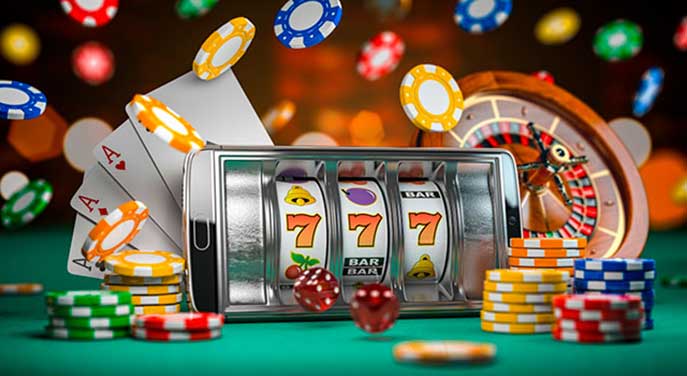
The anticipation leading up to the outcome can heighten feelings of hope and excitement. For many, the moment before the result is revealed is filled with potential and dreams of what could be. This psychological state can make gambling an enticing escape from daily life, allowing individuals to immerse themselves in a world of possibility.
The Influence of Social Interaction
Gambling often occurs in social environments, making it a communal experience. This aspect can significantly enhance its appeal. Many people enjoy the camaraderie that comes with playing games in a casino or at home with friends. The social interaction adds an additional layer of enjoyment, providing an opportunity to bond and share experiences.
Furthermore, witnessing others' excitement can reinforce the desire to participate. Observing a friend win a jackpot can spark jealousy or motivation, prompting others to join in. The social dynamics of gambling can thus influence individual behavior, encouraging participation even among those who may not typically gamble.
Psychological Rewards and Reinforcement
The concept of psychological rewards is crucial in understanding why people continue to gamble. When individuals win, their brains release dopamine, a neurotransmitter associated with pleasure and reward. This biochemical reaction creates a feeling of euphoria that can be difficult to resist, encouraging individuals to gamble again in hopes of experiencing that high once more. The excitement at these events often mirrors that of a night out at a casino.
Additionally, intermittent reinforcement plays a significant role. Winning sporadically, rather than consistently, can reinforce gambling behavior. This uncertainty can keep individuals engaged, as they continually chase the next win. The unpredictability of outcomes creates a cycle that is hard for many to break, even in the face of losses.
The Role of Cognitive Biases
Cognitive biases can significantly influence gambling behavior. Many gamblers fall victim to the illusion of control, where they believe their skill can affect outcomes in games of chance. This belief can lead to overconfidence and an increased likelihood of continued gambling, even when odds are unfavorable.
Another common bias is the gambler’s fallacy, where individuals mistakenly believe that past events influence future outcomes. For instance, if a roulette wheel lands on red several times, a player might feel that black is due to hit, leading to misguided betting decisions. These cognitive distortions can perpetuate gambling behavior, making it difficult for individuals to recognize their irrationality.
Discovering Your Next Gaming Adventure at Vegastars Casino
Understanding the psychology behind gambling can enhance your experience at platforms like Vegastars Casino. By being aware of the emotional and social factors that influence your decisions, you can approach gaming with a more balanced perspective. Vegastars Casino offers a thrilling range of licensed games while ensuring a safe and responsible gaming environment.
At Vegastars Casino, you can enjoy not only the excitement of the games but also the camaraderie that comes with online play. With generous bonuses and fast cash-out options, you have every opportunity to explore the exhilarating world of online gambling while keeping your experience enjoyable and rewarding.